Crying Wojak Vs Chad Meme Template
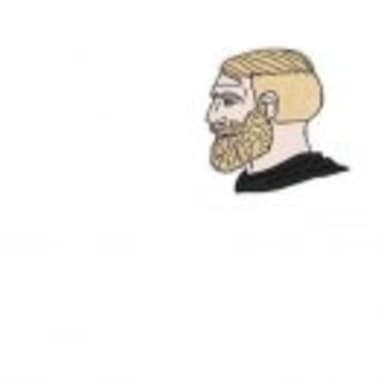
The image combines two long-running internet character archetypes: the tearful/frustrated Wojak and the composed, self-assured Chad. Know Your Meme documents these characters and adjacent comparison formats, but the exact origin of this particular two-character composite is not established by the sources reviewed. Similar Wojak-versus-Chad memes can caricature opponents and frame the maker’s preferred stance as superior; this is a rhetorical pose, not evidence that one side is actually more rational or capable. Keep use playful or self-deprecating and avoid turning stereotypes about gender, politics, or identity into factual claims.
Free to try in your browser. Add text, adjust the layout, and download your meme.
Template images may be supplied through third-party sources. Check permission, attribution, and destination-platform rules before publishing. Report a rights or removal concern.
Related meme collections

How to use this meme template
What the Crying Wojak Vs Chad meme means
The image combines two long-running internet character archetypes: the tearful/frustrated Wojak and the composed, self-assured Chad. Know Your Meme documents these characters and adjacent comparison formats, but the exact origin of this particular two-character composite is not established by the sources reviewed. Similar Wojak-versus-Chad memes can caricature opponents and frame the maker’s preferred stance as superior; this is a rhetorical pose, not evidence that one side is actually more rational or capable. Keep use playful or self-deprecating and avoid turning stereotypes about gender, politics, or identity into factual claims.
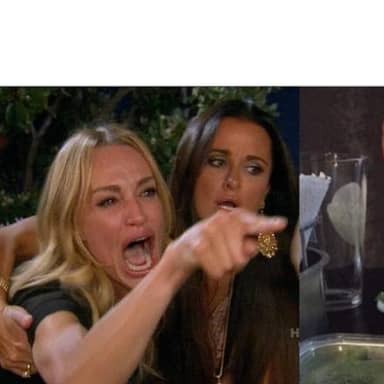
A blank white background holds two side-by-side drawings: a bespectacled, tearful, open-mouthed Wojak on the left and a calm, bearded Chad figure in profile on the right. The supplied art has no baked-in text. The current editor places a full-width caption above and another full-width caption below the image, rather than one box over each character.
How the joke works
The top full-width caption frames the shared issue and the tearful, overreactive stance. The bottom full-width caption gives the contrasting composed or matter-of-fact stance on that same issue, corresponding to the Chad figure. Make the relationship immediately legible and keep the second response confident without making it reckless or objectively wrong. The boxes are above and below the paired figures, not separate left/right labels.
- Top full-width caption: establish the shared issue and the anxious, upset, or overreactive stance associated with the crying Wojak.
- Bottom full-width caption: give a contrasting calm or self-assured response to the same issue, associated with Chad.
Caption examples
- One flaky test means the entire release is cursed
- Check the failure, rerun it, then make the call
Both captions address the same routine release problem: slot 1 dramatizes it, while slot 2 gives a composed, practical counterpoint that maps to the crying-versus-Chad contrast.
- The database is failing; deploy to production anyway
- A confident engineer never checks the logs
This presents recklessness as competence and gives a dangerous action as the supposedly admirable side; confidence should not replace sound judgment.
Situations it fits
- A humorous contrast between overthinking and a practical next step
- Two contrasting reactions to a minor product or engineering setback
- A self-deprecating comparison of anxious and unbothered approaches
When this format does not fit
- Do not treat the characters as proof that an actual group is weak, irrational, or inferior.
- Do not use gender, political, or identity stereotypes as factual descriptions of real people.
- Do not frame reckless or harmful behavior as competent merely because it looks confident.
- Do not make the two captions about unrelated subjects or put left/right figure labels into the top/bottom roles.