If You Know What I Mean Bean Meme Template
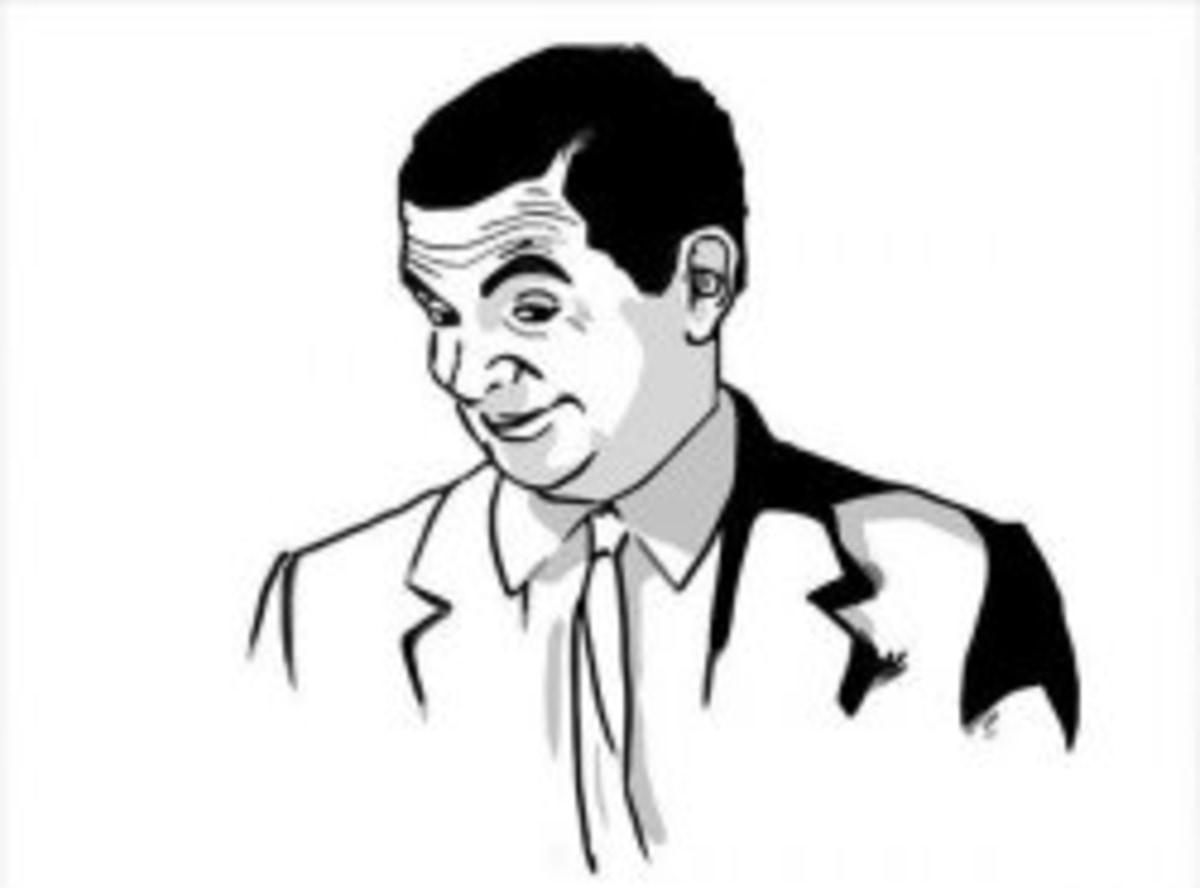
Know Your Meme records the first known rage-face use on 9GAG on January 28, 2012: a still of Rowan Atkinson as Mr. Bean from the 2007 film “Mr. Bean’s Holiday.” A vectorized version with the phrase circulated the same day. The phrase predates the image and is commonly used to flag a double entendre. The image signals a cheeky second reading, usually mild innuendo, without spelling it out.
Free to try in your browser. Add text, adjust the layout, and download your meme.
Template images may be supplied through third-party sources. Check permission, attribution, and destination-platform rules before publishing. Report a rights or removal concern.

How to use this meme template
What the If You Know What I Mean Bean meme means
Know Your Meme records the first known rage-face use on 9GAG on January 28, 2012: a still of Rowan Atkinson as Mr. Bean from the 2007 film “Mr. Bean’s Holiday.” A vectorized version with the phrase circulated the same day. The phrase predates the image and is commonly used to flag a double entendre. The image signals a cheeky second reading, usually mild innuendo, without spelling it out.
A black-and-white line-art portrait of Mr. Bean with a raised eyebrow and knowing expression. The two active text fields sit above and below the image.
How the joke works
Top: write a natural, plausible sentence with an innocent surface meaning and a clear suggestive or otherwise cheeky second reading. Bottom: add “If you know what I mean” or a short knowing cue. The cue should point back to the setup without explaining the innuendo. Keep the ambiguity legible and non-explicit.
- Top setup: a concise, natural sentence that reads innocently but also has a recognizable cheeky second meaning.
- Bottom tag: “If you know what I mean” or another brief knowing cue; do not explain the second meaning.
Caption examples
- “THE NEW SERVER CAN HANDLE A MUCH BIGGER LOAD.”
- If you know what I mean.
The captions follow the exact slot roles and make the template’s characteristic relationship clear.
- “I FINISHED THE REPORT BEFORE LUNCH.”
- If you know what I mean.
This breaks the template’s required relationship or removes the reason the joke works.
Situations it fits
- a harmless double entendre in ordinary workplace language
- a hobby or technical phrase with a cheeky second reading
- a subtle implication only some readers will catch
- a knowing reaction to someone else’s suggestive but non-explicit wording
When this format does not fit
- Do not use a purely literal setup with no second reading.
- Do not explain the innuendo in the bottom caption; let the audience catch it.
- Avoid explicit sexual descriptions; the format relies on implication.
- Do not use an unrelated tag that does not refer to the setup.
- Keep the setup conversational and concise.